

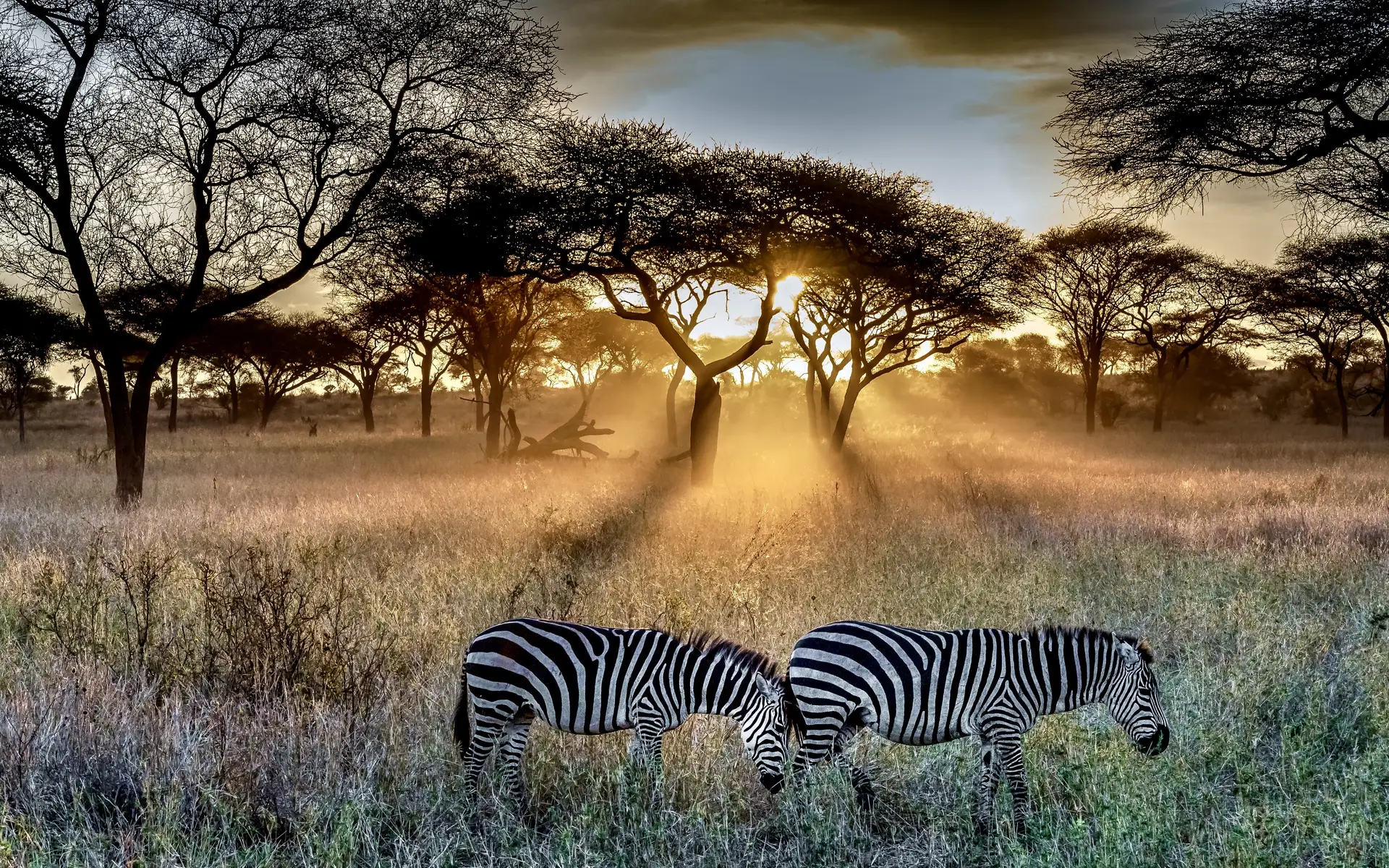
The migration,
on your own time.
The great herds,
and no one else’s engine.
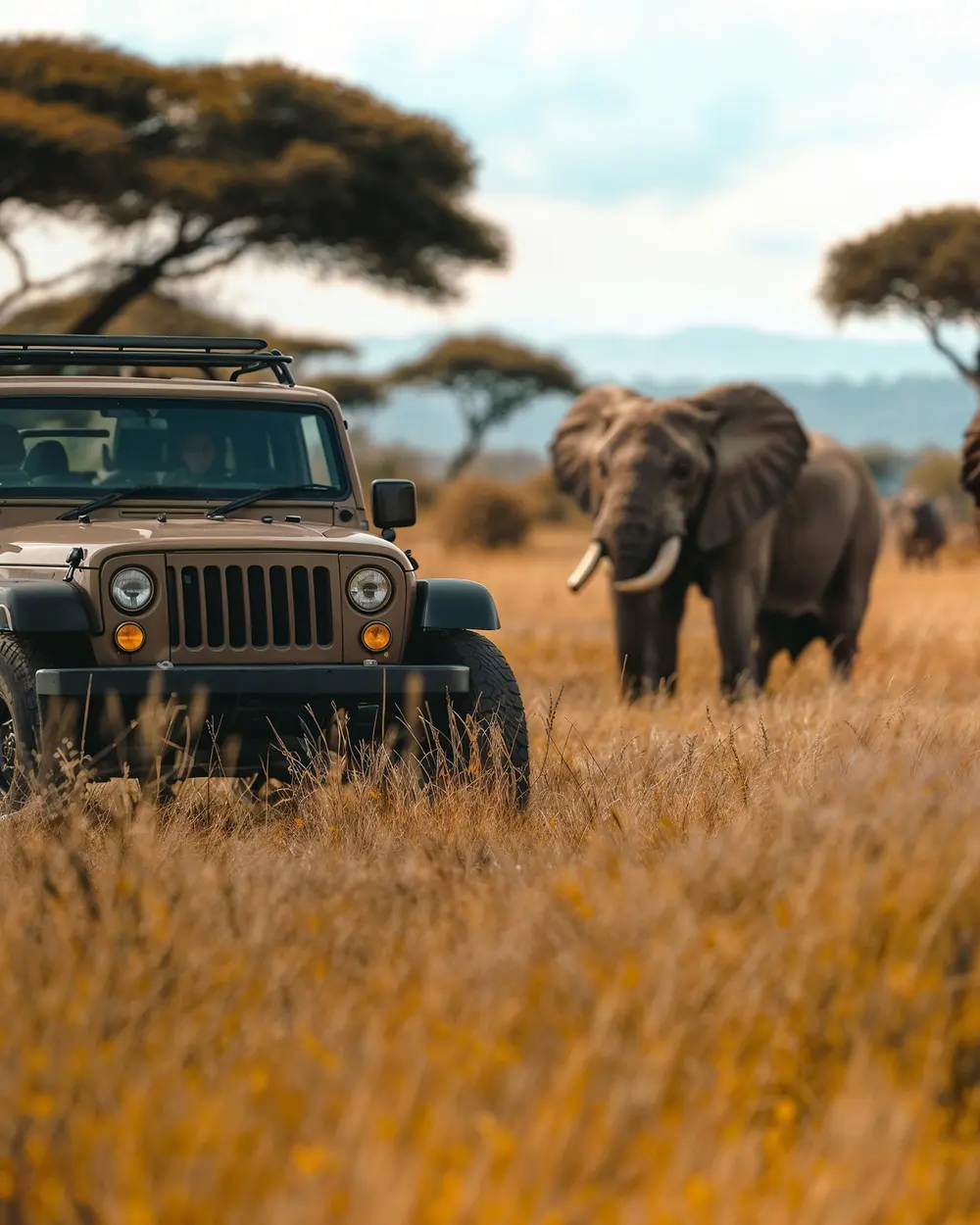
Most people see the Mara through a windscreen, queued three vehicles deep at a river crossing. We don’t. This is a private conservancy where the only tracks are the ones you make — a guide who reads the grass the way you read a page, mornings that begin before the light, and a camp you reach by the simple fact that almost no one else can. The migration is the headline; the silence around it is the reason to come.
Not a schedule.
A set of mornings worth waking for.
Into the conservancy
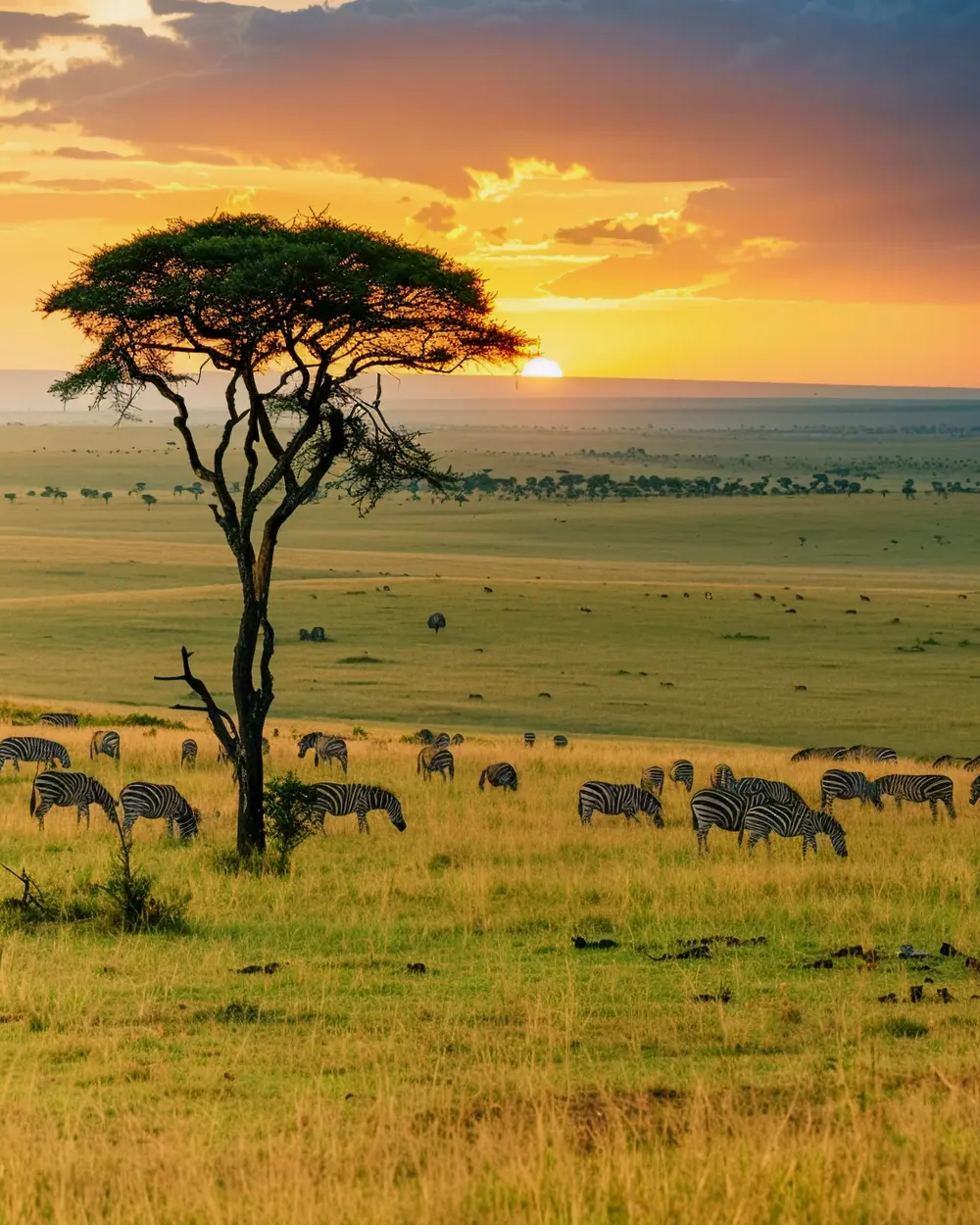
A light aircraft over the Rift, a landing strip the giraffes wander across, and a first drive in the long gold of the late afternoon.
The grass, read aloud
Out before dawn with a Samburu guide who knows what a bent stem and a still bird mean. By breakfast you’ll have seen what the day visitors will spend a week looking for.
A crossing, unhurried
The herds at the river’s edge, and only your vehicle to watch them. No jostling, no horn — you wait, and the plain decides when.
On foot, with the Maasai
A walking morning that puts the small things back — the tracks, the medicine plants, the names — and a fly-camp lunch in the shade of a single acacia.
A night under canvas
A camp set up just for you, far from any lodge, where the fire is the only light and the plain keeps talking long after you’ve turned in.
A last, slow morning
Coffee brought to the front of the tent as the sun comes up over the herds — nothing to chase, nowhere to be, before the run to the strip.
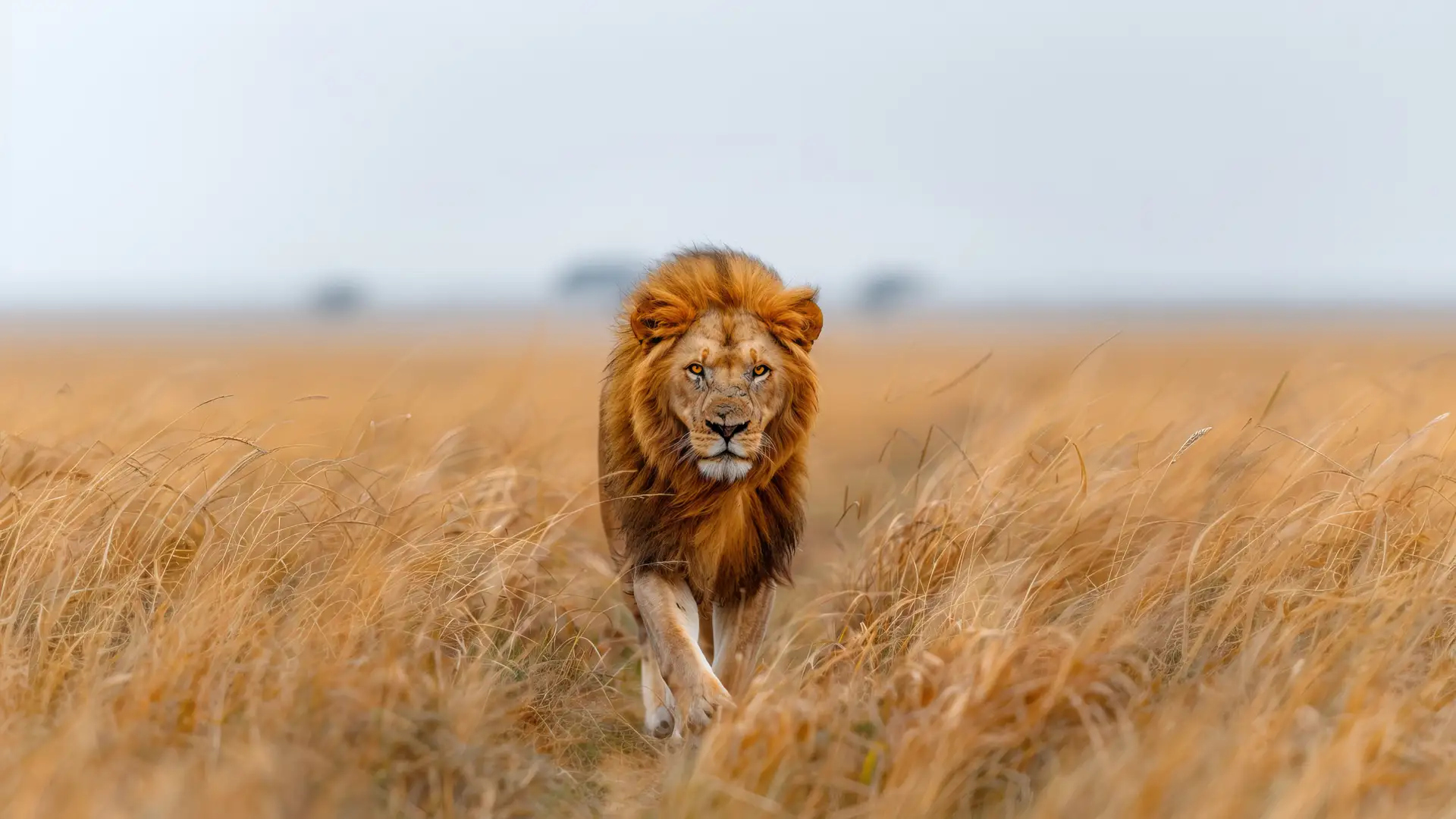
“There were ten thousand of them at the river, and one of us watching.
No other engine. Just the sound of the crossing.”
A little of what you’ll see.
Kenya, in brief
How much does a luxury Kenya safari cost?
A luxury safari is one of the more expensive ways to travel, and honestly so. At the top end, private camps and conservancies broadly run from around US$1,000 to US$3,000 per person per night, all-inclusive, with the rarest fly-in camps higher — and a meaningful share goes to protecting the very land you have come to see.
When is the best time for a Kenya safari?
The Maasai Mara rewards you year-round, but the great wildebeest crossings usually run from around August to October. The green months early in the year are quieter, greener and better value, with superb resident wildlife throughout.
Is Kenya good for a safari honeymoon?
Wonderfully. The Mara's private conservancies offer just-the-two-of-you game drives, nights under canvas and real privacy — then a short flight to the coast or an island for the beach half. It is the honeymoon we plan most often.
Is a Kenya safari suitable for families?
Yes. Private conservancies are ideal for families — your own vehicle, flexible drives, and guides who are brilliant with children. We match the lodges and the pace to the ages travelling.
Keep reading: Safari honeymoons · Family safaris · What a luxury safari costs · Kenya vs Tanzania